

The journal entries are aggregated to the general ledger which is then used to construct financial statements such as loss statements, balance sheets and cash flow statements. The first and most important purpose of journalizing transactions is to keep your business’ finances accurate and well-organized. The journal records this data chronologically, through debits and credits, which makes the information clear to https://www.bookstime.com/ overview and accounting errors easy to spot.
- In order to prevent irregularities by your employees or others, it’s wise to restrict access to your accounting records.
- They play a crucial role in determining an organization’s assets, liabilities, and cash flow.
- Debits (abbreviated as DR) refer to any money that flows into an account.
- In accounting, a journal refers to a book where transaction details were originally entered.
- These transactions impact the financial position of a business and are recorded in the company’s accounting records.
Journal Entries
Since we credited the cash account, we must debit the expense account. If you’re totally new to double-entry accounting and you don’t know the difference between debits and credits, you can pause here and check out our visual guide to debits and credits. It’ll teach you everything you need to know before continuing with this article. You don’t need to include the account that funded the purchase or where the sale was deposited. Every journal entry in the general ledger will include the date of the transaction, amount, affected accounts with account number, and description.
- Adjustments on the trial balance can only be done after adjusting the entries in the general ledger.
- All requirements that apply to hard copy books and records also apply to electronic records.
- And, we will record withdrawals by debiting the withdrawal account – Mr. Gray, Drawings.
- We hope our guide was helpful in understanding the journalizing transaction process, and why it’s important that it is done correctly.
- Peruse Best Buy’s 2017 annualreport to learn more about BestBuy.
Accounting Chapters
At the end of the business day, record your cash register totals in the sales journal. Knowing your https://girrig.com.mk/days-sales-in-inventory-dsi/ journal entries are up to date gives you a clear picture of your business’s financial health. With MYOB small business accounting solutions, you have the heavy accounting lifting done for you — get started today. Compound entries are combinations of more than one journal entry — with more than one credit, debit or affecting multiple accounts. A journal entry is a record of a transaction you make in your business. Journal entries in accounting are the cornerstone of effective record-keeping.
What Are the Different Methods of Recording Transactions?
- Learn how to build, read, and use financial statements for your business so you can make more informed decisions.
- The first step in the accounting process is actually to prepare the source document and determine the effects of the business transaction to the accounts of the company.
- No transaction can get into the accounting records without first being recorded in the journal.
- This recording is done by listing journal entries into the journal.
For example, Bright recording business transactions examples Productions renders video coverage services and expects to collect $10,000 in 10 days. The income and receivable can be measured reliably at the $10,000. In any case, always remember that a business is treated as an individual entity, separate and distinct from its owners. Entry #11 — PGS’s first vendor inventory payment is due of $1,000. Entry #7 — PGS sells another guitar to a customer on account for $300. Entry #3 — PGS takes out a bank loan to renovate the new store location for $100,000 and agrees to pay $1,000 a month.

The company promises to provide the goods or services at a later date or a refund of the money. Unearned revenue is a liability until the company provides the goods or services. The goal of financial accounting is to issue financial statements. Make sure to keep your accounting records in case you get audited. Depending on where you live, you need to keep your records for three to seven years. You also need the underlying documents, such as bank statements, receipts, and invoices.

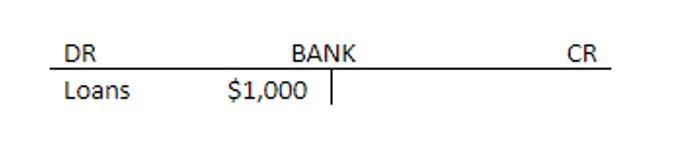
The T-account always has the name of the account, a left side, a right side, and a balance. Cost of sales, or cost of goods sold, is the cost of providing goods and services to customers. Equipment includes the cost of office or factory equipment used in business operations. Notice that the total amount debited is equal to the total amount credited. Below is a break down of subject weightings in the FMVA® financial analyst program.
It forms the foundation for creating meaningful and transparent financial statements that provide valuable insights into a company’s financial health. Recording transactions in accounting is a fundamental process that forms the backbone of financial management for businesses of all sizes. It involves capturing and documenting the inflow and outflow of financial activities, providing crucial insights into the financial health and performance of an organization. Understanding the importance of recording transactions, the different methods, and the steps involved is essential for maintaining accurate and reliable financial records. The purpose of a journal entry is to accurately record all the details regarding a transaction.
Financial Accounting

Journal entries are records of business transactions in your accounting system. Learn what a journal entry is and how to create and record one with examples. Investment transactions are focused on acquiring or disposing of assets for long-term growth or returns. Their aim is to grow wealth over time through appreciation, dividends, or interest.
