
Gambling beliefs Exploring diverse cultural perspectives across the globe
The Roots of Gambling Beliefs
Gambling beliefs have deep historical roots that span across various cultures worldwide. These beliefs often stem from ancient rituals and practices aimed at invoking luck or fortune. In many societies, gambling is not just a game of chance but a way to connect with the spiritual realm, reflecting the cultural values and traditions of a community. For instance, by exploring platforms like best online crypto casino, one can observe how modern gambling interfaces connect players while still echoing those ancient traditions.

Moreover, gambling beliefs can be seen as a reflection of societal attitudes towards risk and fortune. In cultures where fate is perceived as predetermined, gambling may take on a more fatalistic view. Conversely, in societies that value individual agency, gambling may be seen as an opportunity to alter one’s destiny. This intricate relationship between cultural beliefs and gambling practices reveals much about how different societies interpret luck, fate, and success.
Cultural Variations in Gambling Practices
The approach to gambling varies significantly across cultures, with each possessing unique games and associated beliefs. In Asia, for example, games like Mahjong and Sic Bo are prevalent, often linked to communal gatherings and familial ties. These games emphasize social interaction and are frequently played during festivals and celebrations, showcasing the cultural significance of gambling in uniting people.
In contrast, Western cultures often view gambling more commercially, with casinos and betting establishments serving as primary venues. The allure of high-stakes poker games or slot machines tends to dominate popular perception. However, even within these commercial frameworks, unique regional practices can emerge, shaped by local customs and legislation regarding gambling.
The Spiritual and Superstitious Dimensions
Many cultures integrate spiritual beliefs and superstitions into their gambling practices. For instance, in numerous Asian cultures, particular numbers and colors are believed to bring good luck or misfortune. Rituals such as carrying lucky charms or performing specific actions before engaging in gambling are common. These practices illustrate how gambling transcends mere chance, embedding itself deeply into spiritual beliefs and daily life.
Similarly, in many African cultures, the use of divination or consultation with spiritual leaders before gambling is prevalent. This connection highlights the importance of spirituality in shaping gambling beliefs and practices, reinforcing the notion that luck is not solely a matter of chance but also influenced by spiritual forces and ancestral guidance.
The Psychological Impact of Gambling Beliefs
The psychological ramifications of gambling beliefs can be profound, affecting individuals’ behaviors and decision-making processes. Many players may develop cognitive biases, such as the illusion of control, believing they can influence outcomes despite randomness. This belief can lead to increased gambling participation and a reluctance to acknowledge losses, contributing to problem gambling behaviors.
Cultural narratives surrounding luck and fate also play a significant role in shaping individual attitudes towards gambling. For instance, individuals from cultures that celebrate risk-taking may be more likely to engage in gambling as a form of self-expression or adventure, while those from more conservative backgrounds might approach it with caution, viewing it as a vice rather than entertainment.
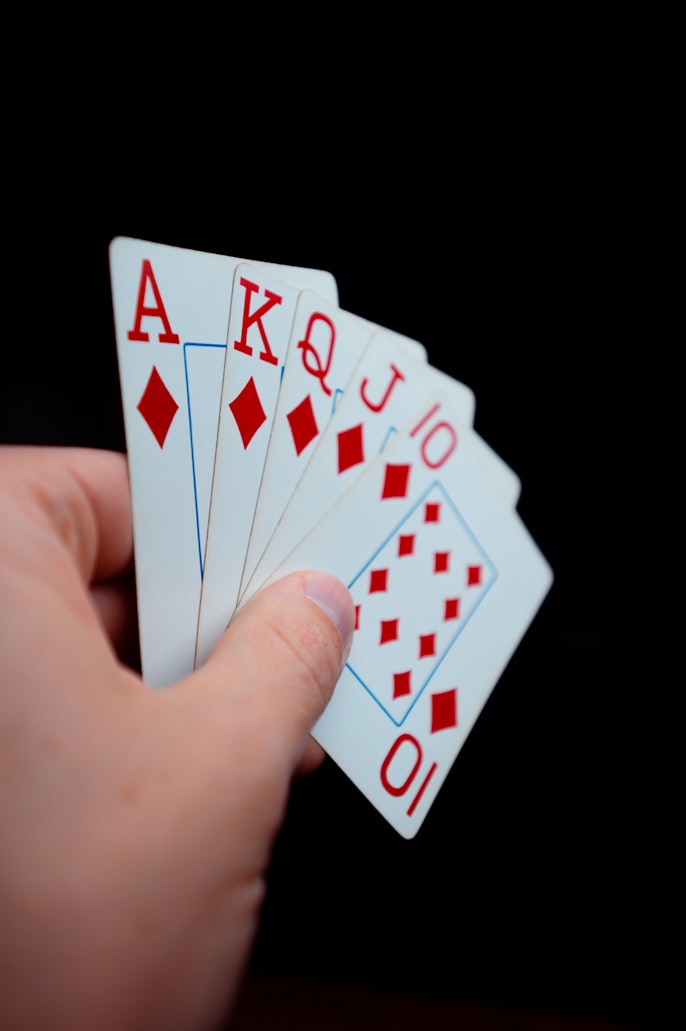
Exploring Cultural Perspectives on Gambling
Understanding diverse cultural perspectives on gambling is essential for fostering a comprehensive view of this global phenomenon. The interplay between cultural beliefs, practices, and societal norms shapes how gambling is perceived and engaged with in different regions. This exploration can also inform responsible gambling initiatives, ensuring that cultural sensitivities are considered in addressing gambling-related issues.
By examining various cultural attitudes towards gambling, we gain insights into the broader human experience. Acknowledging these differences fosters respect and appreciation for the rich tapestry of beliefs that define gambling practices globally, ultimately contributing to more inclusive and understanding communities.
